

Older homes have a charm that new builds struggle to match, but that charm often hides problems you cannot see. Most renovation budgets are planned around kitchens, bathrooms, and finishes, while the real risks sit quietly behind the plaster, under the floorboards, and inside the roof. According to the Home Builders Federation, 78% of UK homes were built before 1980, which means the majority of renovation projects involve properties that predate modern safety standards entirely.
Treating safety and compliance as the foundation of your project, rather than an afterthought, is what separates a smooth renovation from a costly one. Here is how to get it right from day one.
Key Safety Areas to Address When Renovating an Older Home
Every older property is different, but the risks tend to fall into five predictable areas. Work through each one before the aesthetic decisions begin.
1. Check the Structure Before Anything Else
Settling foundations, timber decay, and tired masonry are common in period properties, and they rarely announce themselves until a wall comes down. If your plans involve removing internal walls or chimney breasts, a structural engineer must specify and certify any steel supports, and your local Building Control team needs to be notified before work starts. The Planning Portal sets out which home improvements need approval, so it is worth reviewing your plans against it early. A structural survey at this stage costs far less than remedial work later, and it gives your builder a clear picture of what the property can support.
2. Bring the Electrics Up to Current Standards
Homes wired decades ago often contain rubber or fabric insulated cables that degrade over time, creating genuine fire and shock hazards long before any visible warning signs appear. An outdated fuse box should be replaced with a modern consumer unit fitted with residual current devices, which cut the power the instant a fault is detected. Electrical work falls under building regulations, so always use an electrician registered with a Competent Person Scheme. They can self certify the work and issue the certificates you will need when you come to sell.
3. Deal With Asbestos the Right Way
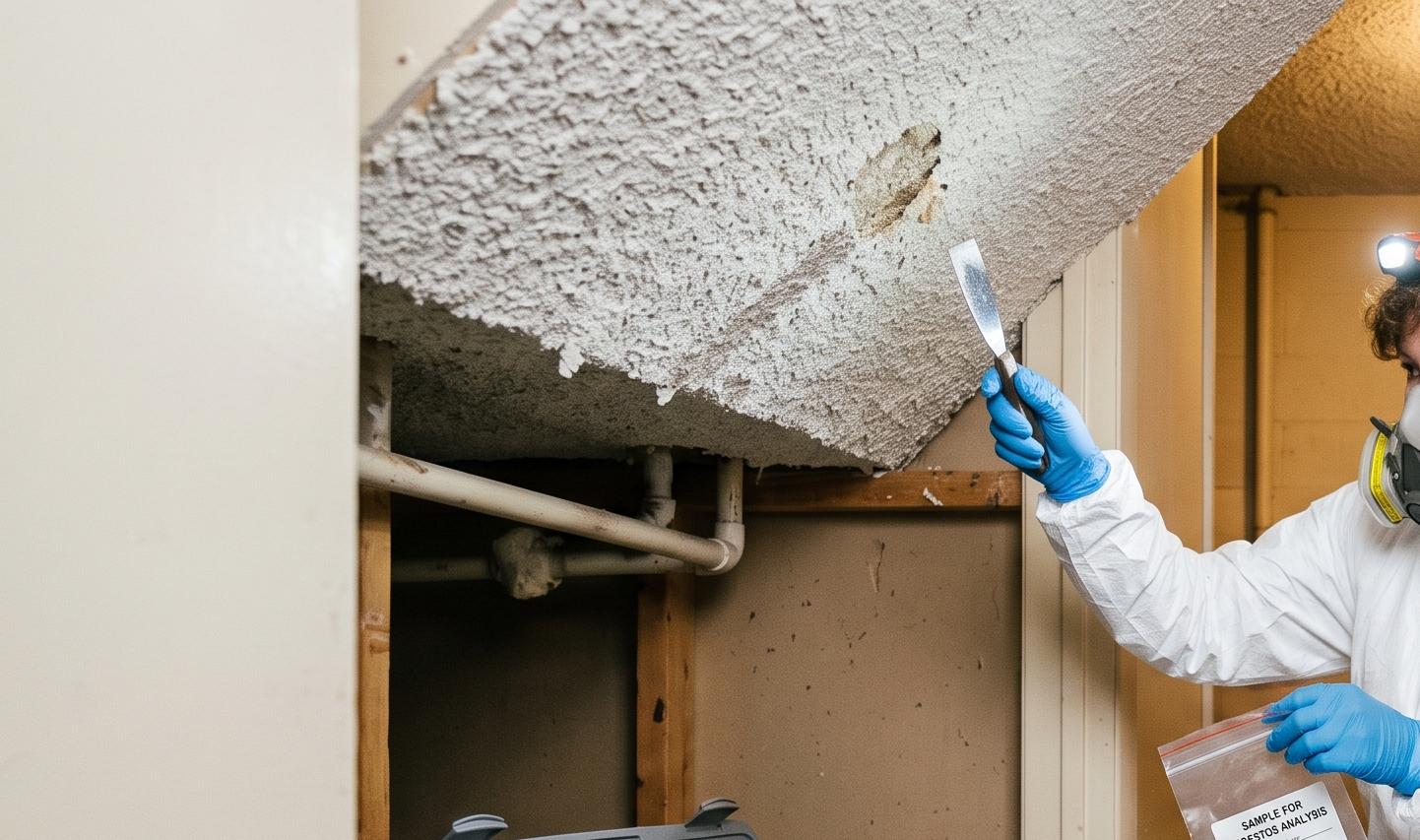
Any home built or refurbished before 2000 may contain asbestos in textured coatings, floor tiles, insulation boards, or pipe lagging. Left undisturbed it poses little risk, but renovation work is exactly what disturbs it. The Health and Safety Executive recommends commissioning a survey before any demolition or chasing into walls, and your local council’s environmental health team can advise on whatever the survey turns up. Sprayed coatings, lagging, and insulation board should only be removed by an HSE-licensed contractor. Specialists such as Advance Asbestos issue a waste consignment note on completion, which is your proof the material reached an approved disposal site.
4. Meet Modern Fire Safety Requirements
Fire safety standards have moved a long way since most period homes were built, and a renovation is the ideal moment to close the gap. Interlinked mains powering smoke and heat alarms should be fitted on every floor, so that an alarm triggered downstairs wakes everyone upstairs. If your renovation changes the layout, check that bedroom windows can still serve as escape routes and that new internal doors meet fire resistance requirements where needed. The London Fire Brigade offers clear advice on choosing and positioning alarms correctly.
5. Insulate Without Trapping Moisture
Upgrading insulation is one of the best investments you can make, but older buildings were designed to breathe. Sealing them with impermeable modern materials traps moisture in the fabric, which leads to condensation, damp, and rot. Pair any insulation upgrade with proper ventilation, particularly mechanical extraction in kitchens and bathrooms where moisture levels are highest. Historic England provides technical advice on applying building regulations sensitively to older properties.
Conclusion
A renovation that meets modern safety standards protects your household, your budget, and the long term value of your property. The safest projects are always the ones where hazards are identified before the first wall comes down. If you are planning a renovation in Hertfordshire and want experienced project management behind it, get in touch with Benitt Homes to discuss your plans.